




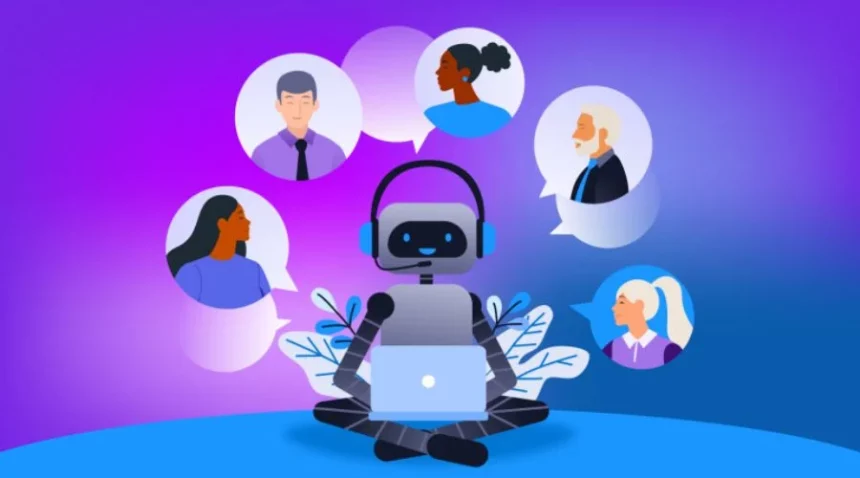
Artificial intelligence has transformed how organisations interact with customers, and one of the most impactful innovations is the AI chatbot. Businesses across many industries are now using chatbots to automate communication, provide instant support, and improve customer experience. Instead of waiting for human agents, users can receive answers to their questions within seconds through automated systems.
As customer expectations for fast responses continue to grow, companies are increasingly investing in AI-powered chat solutions. These tools can handle customer queries, assist with product recommendations, schedule appointments, and even complete transactions. Understanding how AI chatbots work and why businesses are using them helps explain why they have become such an essential part of modern digital strategies.
Today’s AI chatbots are far more advanced than earlier automated response systems. They use natural language processing, machine learning, and large datasets to understand questions and generate meaningful responses. By learning from interactions, these systems become more accurate over time. In this guide, we will explore how AI chatbots work and why businesses are using them, including their technology, benefits, and future potential.
What Are AI Chatbots?
AI chatbots are software applications designed to simulate human conversation through text or voice interactions. They can communicate with users through websites, messaging apps, customer support platforms, and mobile applications.
Unlike traditional rule-based chat systems, AI chatbots can understand context and respond to more complex questions. This capability allows them to deliver personalised experiences and assist customers with a wide range of tasks.
Many modern organisations rely on AI chatbots to automate customer service, provide instant answers, and improve operational efficiency.
How AI Chatbots Work
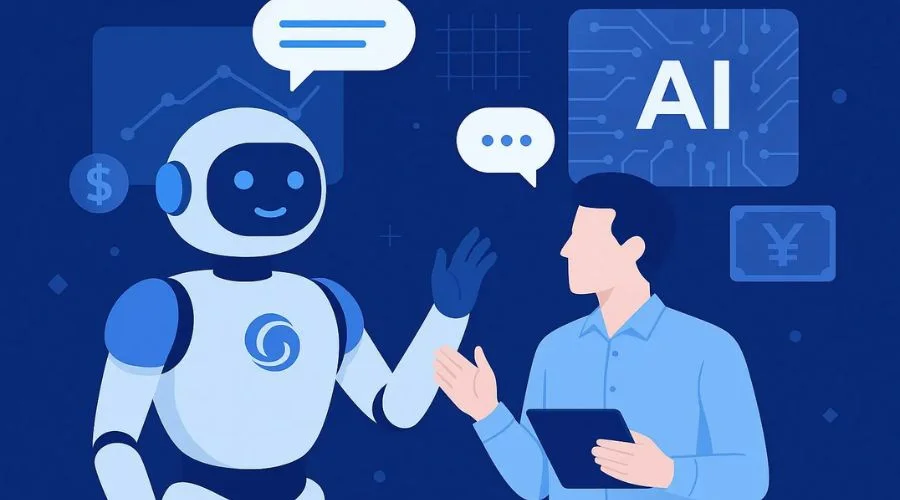
To understand how AI chatbots work and why businesses are using them, it is important to examine the technologies that power these systems. AI chatbots rely on several advanced technologies working together to interpret user requests and generate responses.
Natural Language Processing (NLP)
Natural Language Processing allows chatbots to understand human language. When a user types a question, NLP algorithms analyse the sentence structure, keywords, and context to determine the user’s intent.
This technology enables chatbots to understand a wide range of questions even if they are phrased differently.
Machine Learning
Machine learning allows chatbots to improve their performance over time. By analysing previous conversations and user interactions, the system learns which responses are most effective.
This continuous learning process helps chatbots provide more accurate and helpful answers.
Knowledge Databases
AI chatbots rely on databases that contain information about products, services, and common customer questions. When a user asks a question, the chatbot searches this database to find the most relevant response.
Conversational AI Models
Modern chatbots often use advanced conversational AI models that can generate human-like responses. These models analyse context and produce replies that feel natural and engaging.
Together, these technologies explain how AI chatbots work and why businesses are using them to deliver fast and intelligent customer interactions.
Types of AI Chatbots
There are different types of chatbots used by organisations depending on their goals and technical requirements.
Rule-Based Chatbots
Rule-based chatbots operate using predefined rules and decision trees. They follow scripted responses and can answer only specific questions.
AI-Powered Chatbots
AI-powered chatbots use machine learning and NLP to understand complex queries. They can adapt to different conversations and provide more flexible responses.
Voice Chatbots
Voice chatbots interact with users through voice commands. They are commonly used in virtual assistants and voice-enabled customer service systems.
Each type demonstrates how AI chatbots work and why businesses are using them in different applications.
Why Businesses Are Using AI Chatbots
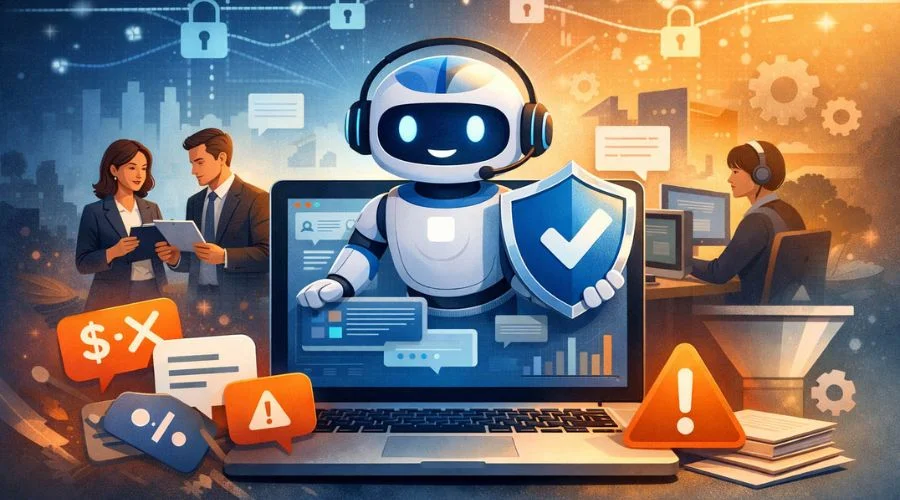
The growing adoption of AI chatbots is driven by their ability to improve efficiency, reduce operational costs, and enhance customer experience.
24/7 Customer Support
One major reason organisations adopt chatbots is their ability to provide round-the-clock customer support. Unlike human agents, chatbots can operate continuously without breaks.
This ensures customers receive immediate assistance at any time.
Faster Response Times
Customers expect quick answers when contacting a company. AI chatbots can respond instantly, reducing waiting times and improving satisfaction.
Cost Reduction
Automating routine customer service tasks can significantly reduce staffing costs. Businesses can handle large volumes of inquiries without expanding support teams.
Personalised Customer Experience
AI chatbots can analyse user data and previous interactions to provide personalised responses and product recommendations.
Scalability
Chatbots can manage thousands of conversations simultaneously. This scalability is particularly valuable during peak periods such as product launches or marketing campaigns.
These benefits highlight how AI chatbots work and why businesses are using them as part of their digital transformation strategies.
Common Use Cases of AI Chatbots
AI chatbots are now used in many industries and applications.
Customer Support
Many companies use chatbots to answer frequently asked questions, troubleshoot issues, and guide users through processes.
E-Commerce Assistance
Online retailers use chatbots to recommend products, track orders, and assist customers during the shopping process.
Appointment Scheduling
Service-based businesses use chatbots to schedule appointments and send reminders.
Lead Generation
Marketing teams use chatbots to collect user information and qualify potential leads.
Internal Business Operations
Organisations also use chatbots internally to assist employees with HR questions, IT support, and administrative tasks.
These use cases demonstrate how AI chatbots work and why businesses are using them to automate both external and internal processes.
Benefits of AI Chatbots for Businesses
Businesses adopt chatbots because they offer measurable advantages across many operations.
Increased Efficiency
Automating repetitive tasks allows employees to focus on more complex responsibilities.
Improved Customer Engagement
Interactive chatbot conversations can keep users engaged on websites or applications.
Data Collection and Insights
Chatbots collect valuable data about customer behaviour, preferences, and frequently asked questions.
Consistent Communication
Unlike human agents, chatbots deliver consistent responses and follow predefined communication guidelines.
These advantages continue to drive adoption as organisations explore how AI chatbots work and why businesses are using them to optimise operations.
Challenges of AI Chatbots
Despite their benefits, AI chatbots still face certain limitations.
Understanding Complex Queries
Some chatbots may struggle with highly complex or ambiguous questions.
Lack of Human Empathy
Automated systems may not always respond appropriately to emotionally sensitive situations.
Implementation Costs
Advanced AI chatbot systems can require significant investment and technical integration.
However, as AI technology improves, these limitations are gradually being addressed.
Future of AI Chatbots in Business
The future of AI chatbots looks extremely promising as advancements in artificial intelligence continue to improve conversational capabilities.
Future chatbots will likely include:
- More natural conversations
- Advanced emotional understanding
- Integration with business analytics systems
- Improved multilingual capabilities
These developments will further expand how AI chatbots work and why businesses are using them in customer service, marketing, and operational automation.
Conclusion
Artificial intelligence has revolutionised customer communication, and chatbots are now one of the most widely adopted AI technologies in business. By automating conversations, answering questions instantly, and providing personalised support, AI chatbots help organisations improve efficiency and customer satisfaction.
Understanding how AI chatbots work and why businesses are using them reveals the powerful combination of natural language processing, machine learning, and data analysis that drives these systems. These technologies allow chatbots to understand user requests, deliver relevant responses, and continuously improve through learning.
As businesses continue to adopt digital transformation strategies, AI chatbots will play an increasingly important role in customer engagement and operational efficiency. By implementing the right chatbot solutions, organisations can streamline communication, reduce costs, and deliver faster, more responsive customer experiences.